Is therapy right for you?
Thinking about therapy but unsure if it's for you? Learn when therapy can help and why you don't need to be in crisis.

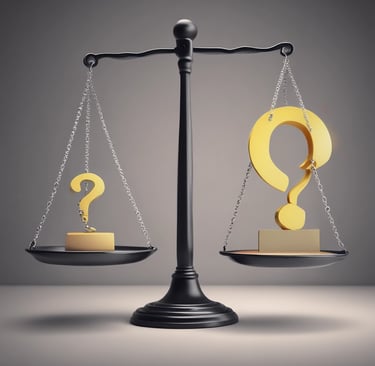
As a psychotherapist, some of the most common statements I hear – sometimes spoken aloud, sometimes quietly held – are: “Do I really need therapy?” or “talking about it won’t change the situation” or “I’ve coped myself for this long so I can just keep going”.
The statements above often come with uncertainty, hesitation, or the belief that therapy is only for people in crisis. In reality, therapy is not just about treating distress; it is about understanding yourself more deeply, strengthening emotional resilience, and creating meaningful, lasting change in your life.
Therapy is a space for understanding, not judgment
At its core, therapy offers a confidential, nonjudgmental space where you can speak openly about your thoughts, emotions, and experiences. Many people spend years adapting to expectations, suppressing feelings, or minimising their own needs.
Therapy provides a rare opportunity to pause and explore your inner world without pressure to perform, explain, or “be OK.” In life, we rarely have this kind of relationship, one where it is completely about you, one where you will be held with curiosity, compassion and gentle exploration.
From a therapist’s perspective, the goal is not to label or fix you, but to understand how your experiences – past and present – shape the way you think, feel, and relate to others. Insight alone can be profoundly healing.
You don’t have to be in crisis to benefit
While therapy is invaluable during periods of anxiety, depression, grief, trauma, or major life transitions, it is equally helpful for people who feel “mostly fine”. Perhaps you notice recurring patterns in relationships, persistent self-doubt, emotional numbness, emotional explosiveness or difficulty managing stress. These experiences are signals that something unconscious is playing out – they’re not failures.
Therapy can help identify these patterns and understand where they come from, allowing you to respond differently rather than repeating what no longer serves you. Honestly, therapy is really for anyone, as it is truly about exploration and understanding of yourself.
Emotional skills are learned, not innate
Many of us were never taught how to understand, healthily express and regulate emotions, set healthy boundaries, communicate our needs or cope with difficult feelings. Many of us were taught to suppress our emotions and to focus externally. Therefore, we’re left with a sense of being reactive to situations, repeating patterns and a sense of uneasiness in many relationships.
Therapy is a place to learn these skills in a supportive and collaborative way. Over time, clients often report feeling more emotionally grounded, self-aware, and confident in navigating challenges.
From my professional and personal experience, learning how to be with your emotions –rather than avoiding or fighting them – can change the way you experience yourself and the world, and it can open you up to more connected relationships.
The therapeutic relationship is healing in itself
One of the most powerful aspects of therapy is the relationship between therapist and client. A consistent, attuned, and respectful therapeutic relationship can be reparative, especially for those who have experienced misunderstanding, neglect, or emotional harm in the past.
Within therapy, you can safely explore trust, vulnerability, boundaries, and connection. These experiences often translate into healthier relationships outside the therapy room.
Therapy encourages self-compassion and growth
Many people come to therapy with a harsh inner critic or a sense that they “should” be doing better. Therapy gently challenges these beliefs and fosters self-compassion. When you begin to understand why you are the way you are, shame often gives way to empathy – for yourself. We can then hold ourselves accountable without an intense feeling of being a bad person, which can often hold us back in relationships with others.
Growth in therapy is not about becoming someone else; it’s about becoming more fully yourself, with greater awareness, choice, and freedom.
An investment in your well-being
Starting therapy is an investment of time, energy, and emotional openness. But it is also an investment in your long-term well-being, relationships, and quality of life. Seeking therapy is not a sign of weakness; it is a sign of courage and self-respect.
As a psychotherapist, I have witnessed countless individuals rediscover hope, clarity, and a sense of agency through the therapeutic process. I’ve personally experienced this too within my own therapy. Therapy does not promise a life without difficulty – but it can help you face life with greater understanding, resilience, and authenticity.
If you are considering therapy, know that this curiosity about yourself is reason enough to begin. Please know that if you feel confused about “where to start” within your sessions, your therapist will help guide and untangle things with you. We’ve got you.
Contact
© 2025. All rights reserved.


Lisa Ume
Qualified and accredited therapist providing online therapy for women focused on self worth, people pleasing and emotional overwhelm.
What Are you Looking For?
Resources
@lisaumetherapy on instagram. Click this icon to take you there. Alternatively you can see a preview of my feed here